


Kipinä Curriculum
The Kipinä curriculum is a modern educational model developed on the basis of Finland’s National Core Curriculum for Early Childhood Education and Care and incorporating the latest scientific research in child development.
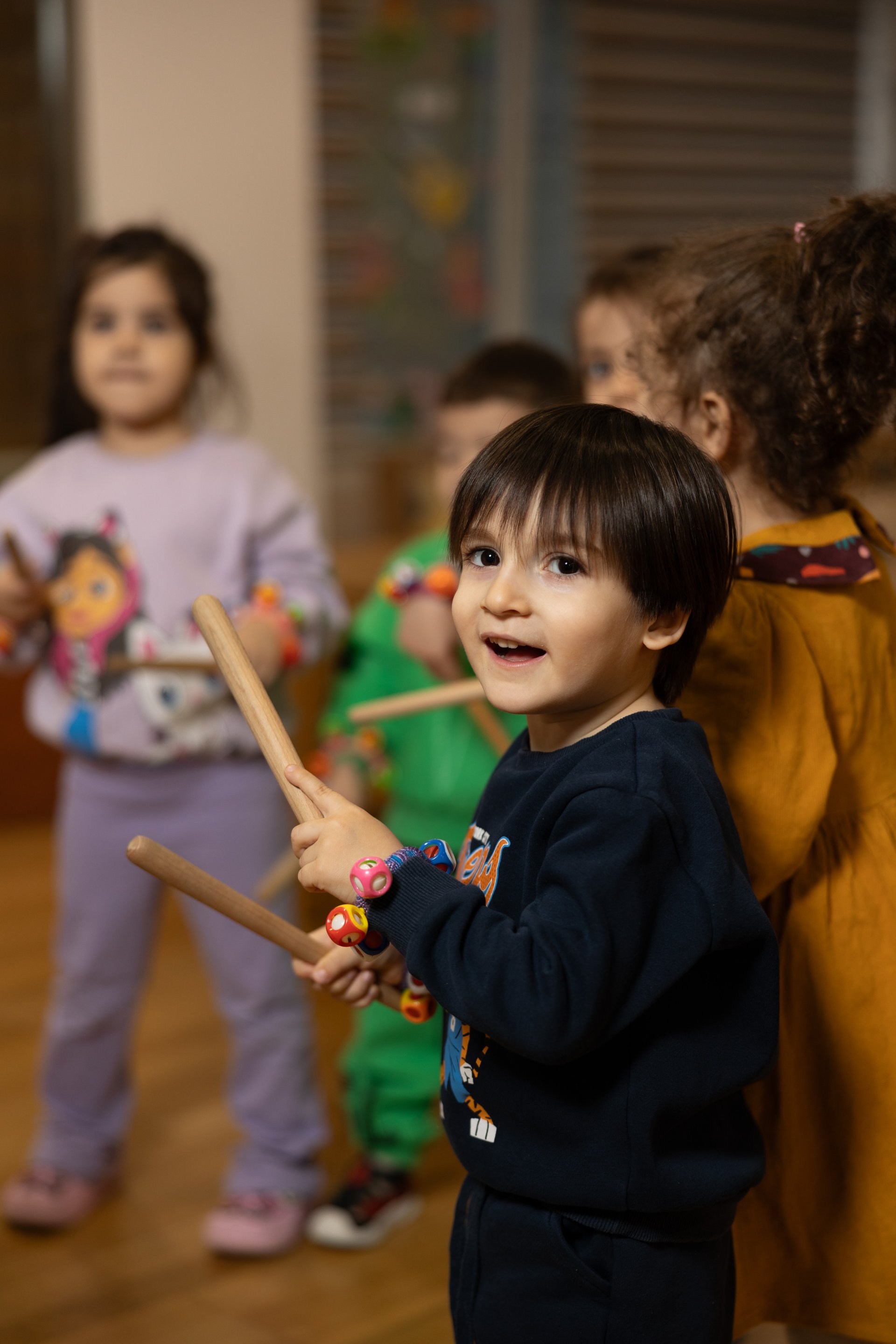
The main aim of the curriculum is to ensure children’s successful transition to school life through play-based learning and to develop the knowledge, skills, and habits they will need in future stages of education and in everyday life.
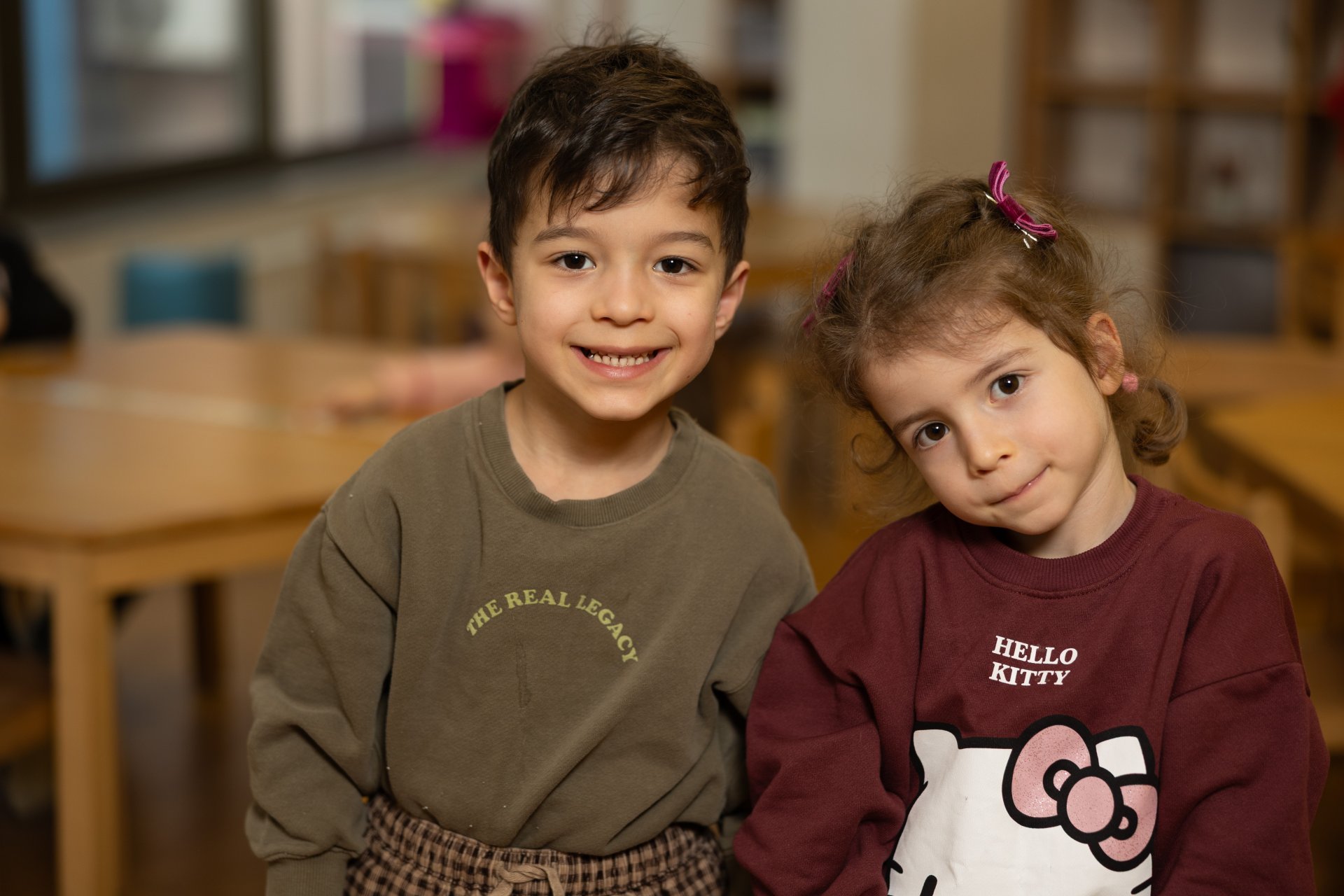
The Kipinä programme takes into account each child’s individual developmental characteristics and places special emphasis on their emotional, social, cognitive, and physical development.
The learning process covers the following six main areas of activity:
Literacy, communication, and language development;
Relationships and personal development;
Physical development and awareness of a healthy lifestyle;
Cultural awareness and respect for diversity.
Cognitive development through inquiry and play;
Development of mathematical knowledge and skills;
All learning outcomes and areas of activity within the curriculum support the development of 21st-century skills. Children develop critical thinking, creativity, communication, collaboration, and problem-solving skills through daily activities, projects, games, and interaction with the teacher. This approach supports the formation of innovative thinking and the development of independent learning skills.
National Curriculum
In the Azerbaijani and Russian streams, primary, secondary, and upper secondary education is organised on the basis of the National Curriculum.
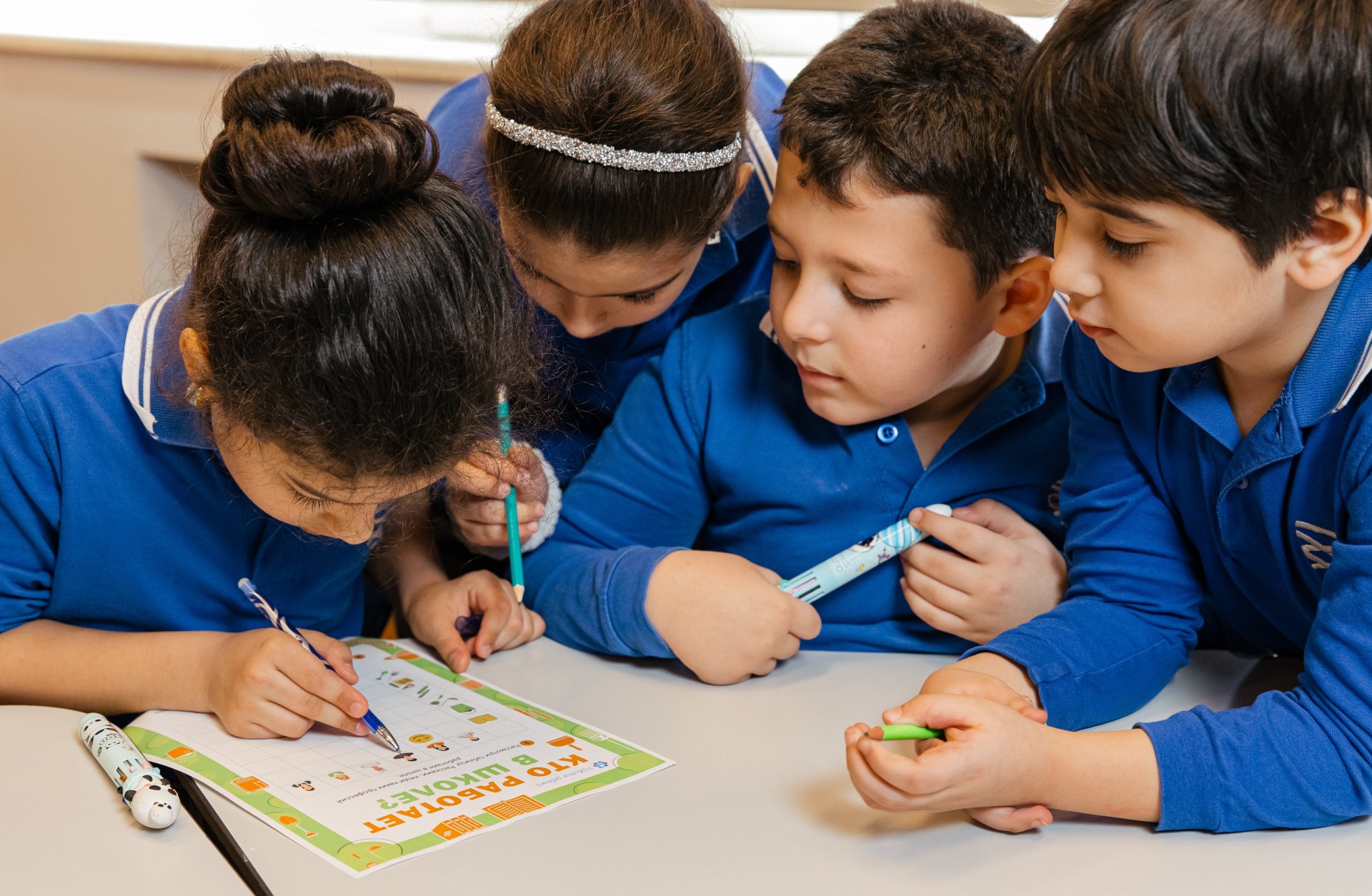
Students in these streams receive systematic academic preparation based on the National Curriculum. At the same time, special attention is given to the development of English, communication, leadership, and 21st-century skills through an enriched programme.
While studying in a multilingual environment, students also develop self-expression, collaboration, and critical thinking skills through various projects, presentations, and activities. The aim is to prepare students for success in both national and international contexts.
Bilingual programme
At the primary level, students receive a foundation education based on the National Curriculum in Azerbaijani, while gradually preparing for the international programme through subjects aligned with Cambridge content and English language support.
The bilingual programme enables students to build a strong academic foundation in line with national education standards and to transition smoothly to international programmes in the future. At the primary level, English and Cambridge-oriented content are gradually increased, and students move to the Cambridge programme from Grade 5.
This approach supports students in building a strong academic foundation in their mother tongue while also developing English language skills and multilingual communication from an early age. The programme helps students adapt to an international educational environment and supports their development as individuals who are both connected to local values and open to the global world.
Cambridge International Curriculum
Education in the English stream is based on the Cambridge International Curriculum. The programme covers the Primary, Lower Secondary, IGCSE, and AS/A Level stages.
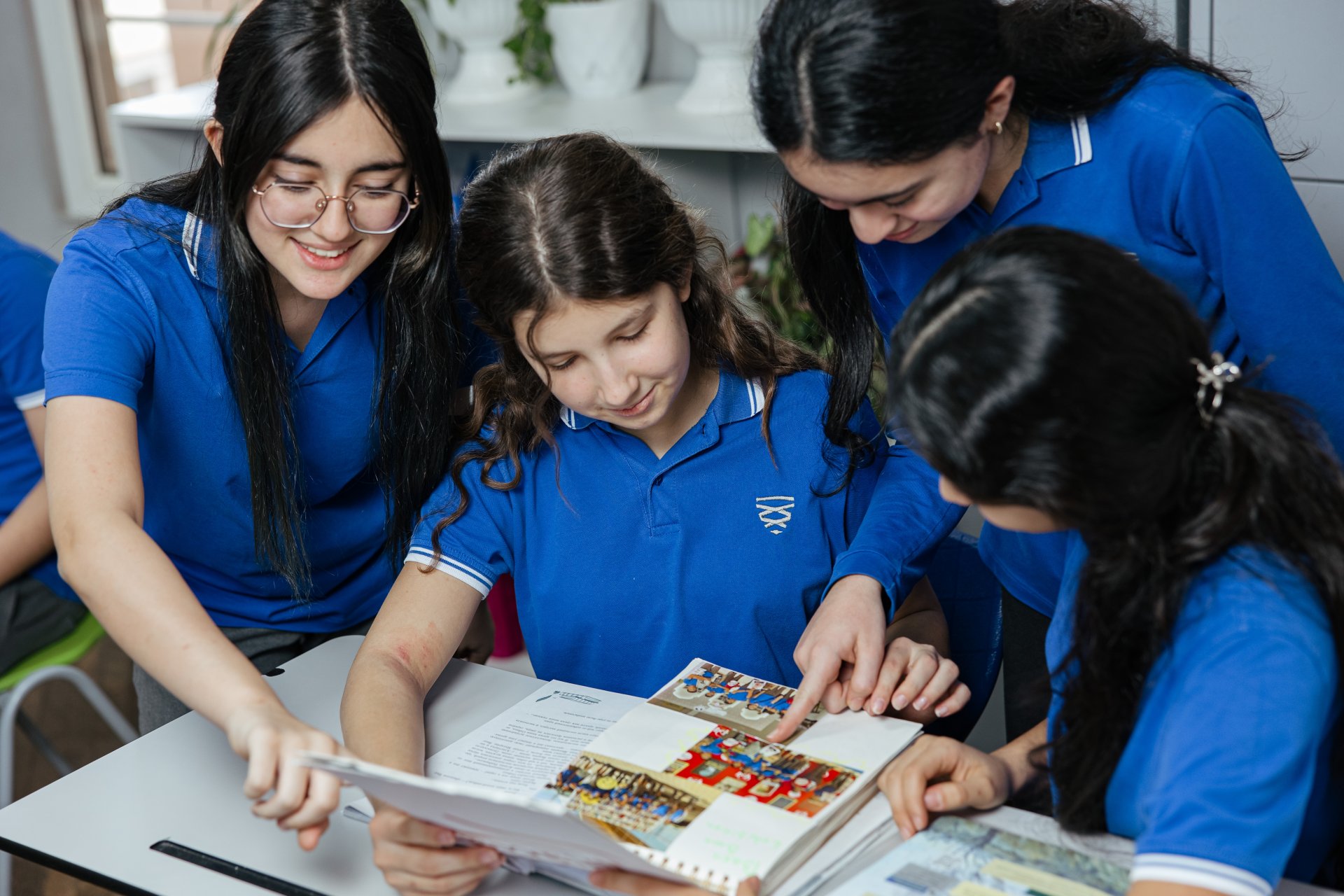
The Cambridge programme provides students with academic education aligned with international standards and prepares them for different universities and education systems around the world. The teaching and learning process is based on the development of inquiry, analysis, problem-solving, and independent thinking skills.
At different stages, students take Cambridge Primary Checkpoint, Lower Secondary Checkpoint, IGCSE, and AS/A Level examinations and obtain international qualifications. In addition, students also take DİM school-leaving examinations in accordance with the state requirements of the Republic of Azerbaijan.
The Cambridge programme supports students in developing not only academic knowledge, but also the confidence, critical thinking, and global readiness needed for the future.